Fleet Digitalization
Anti-Theft Protection for Machinery Fleets: Backup Tracking, Geofences and Time Rules
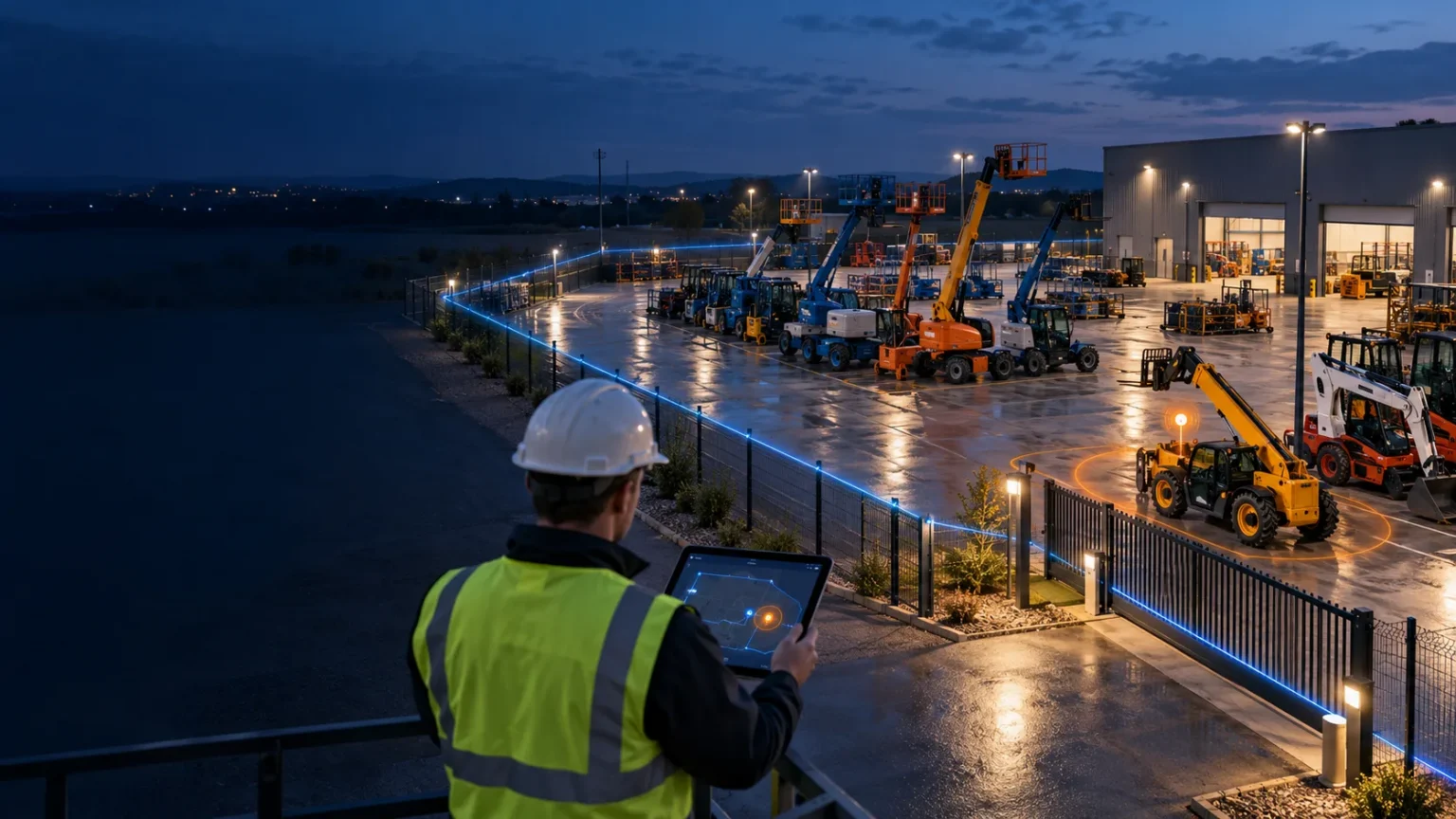
How backup tracking, geofences and time-based rules can help detect unusual movements and support a clear response protocol.
6 min read
The Spanish version of this article is not available yet.
B’Smart Ignition / Fleet Digitalization
The Spanish version of this article is not available yet.
How CAN Bus data, telematics and AI help prevent breakdowns and improve rental fleet availability.
B’Smart Insights
From Reactive Maintenance to Predictive Intelligence: The Future of Equipment Rental
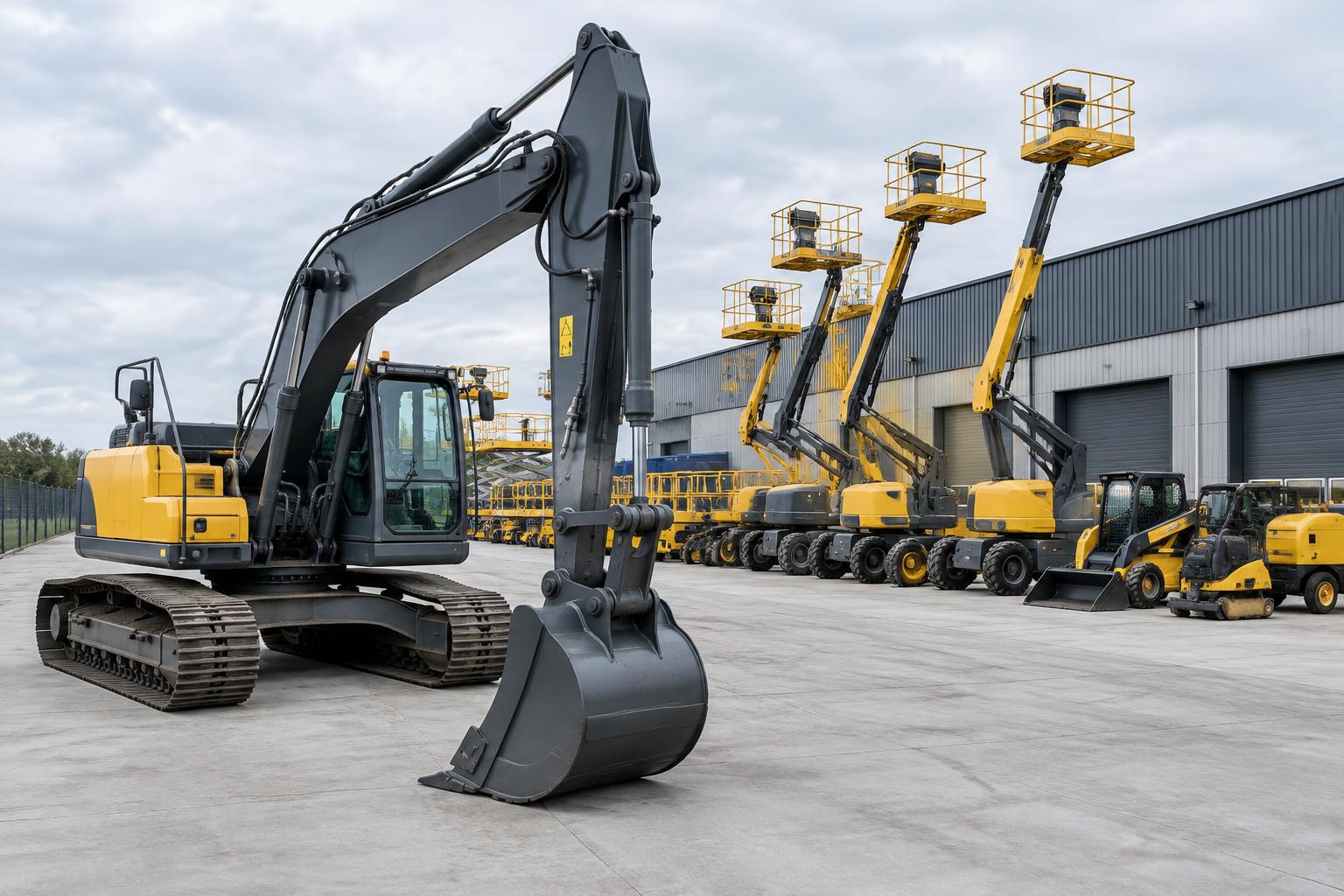
How machine data, diagnostic codes, and AI-assisted interpretation are changing the way rental fleets prevent breakdowns.
Equipment rental is moving from fixing machines after they fail to anticipating failures before they stop a job. Modern machines already report their health through the CAN Bus network, typically using the SAE J1939 protocol and diagnostic trouble codes (DTCs). When that data is collected continuously, interpreted with AI assistance, and validated by qualified technicians, rental companies can plan interventions instead of reacting to breakdowns.
The shift does not happen overnight, and it does not replace human expertise. It starts with reading the data machines already produce, then progresses from fixed schedules to condition-based and, finally, predictive maintenance.
In rental, a breakdown is rarely just a repair bill. When a machine stops on a customer’s site, several costs stack up at once:
Reactive maintenance accepts these costs as normal. Predictive intelligence treats them as avoidable, because many failures announce themselves through warning signals long before the machine actually stops.
Most modern diesel construction and industrial machines contain multiple electronic control units (ECUs) for the engine, transmission, hydraulics, and aftertreatment. These units communicate over a CAN Bus, and in heavy-duty equipment the most common language on that bus is SAE J1939.
When an ECU detects an abnormal condition, it generates a diagnostic trouble code. Under J1939, a DTC combines a Suspect Parameter Number (SPN), identifying what is affected, with a Failure Mode Identifier (FMI), describing how it is failing, such as a value that is too high, too low, or erratic. An occurrence count shows how often it has happened.
The challenge is that a raw code like an SPN and FMI pair means little to a dispatcher or rental coordinator. It needs context: which machine, how many operating hours, what else is happening, and whether the code is new or recurring.
These three terms are often used interchangeably, but they describe different levels of maturity:
| Approach | Trigger | Limitation |
|---|---|---|
| Preventive | Fixed intervals (hours or calendar) | Ignores actual usage and machine condition |
| Condition-based | Real readings or active alerts crossing a threshold | Reacts once a condition already exists |
| Predictive | Trends and patterns suggesting a likely future failure | Needs consistent data history and expert validation |
Preventive maintenance remains essential; oil changes and inspections do not disappear. The goal is to layer condition-based and predictive insights on top, so service is timed to what each machine actually needs.
AI is useful where people struggle: reading large volumes of codes across a fleet, translating them into plain language, grouping related alerts, and highlighting which ones deserve attention first. It can turn a cryptic code into a clear explanation and a suggested next step.
However, AI interpretation should support decisions, not make them alone. Manufacturer-specific codes, unusual operating conditions, and incomplete data can all lead to wrong conclusions. A qualified technician should confirm the diagnosis before parts are ordered or a machine is pulled from a contract.
Translates codes, spots recurring patterns, ranks alerts by urgency, and summarizes fleet health.
Verify the diagnosis, inspect the machine, decide on repairs, and catch context the data misses.
Diesel particulate filters (DPFs) trap soot and periodically need regeneration to burn it off. On rental machines, short work cycles, long idling, or operators unknowingly interrupting regeneration can let soot build up. If ignored, the machine may enter a power-reduced mode or require more intrusive service.
When regeneration-related alerts are captured and explained early, the rental team can contact the customer, guide the operator, or schedule a parked regeneration before the machine is limited on site. This is a practical, everyday case where reading the data prevents disruption.
Few rental companies run a single brand. Each manufacturer usually offers its own telematics portal, so teams end up switching between several systems with different formats and terminology.
J1939 helps because many standard parameters are shared, but manufacturers also use proprietary codes and extensions. A useful predictive approach must normalize data from different brands into one view while respecting those differences.
Edge cases to plan for:
Rather than relying on general promises, measure results in your own fleet. A focused pilot keeps the investment small and the evidence clear:
Document avoided incidents carefully, noting which alert triggered action and what a technician found. That record becomes your business case.
Not necessarily. Many fleets begin by better using the J1939 data and DTCs their existing devices already capture.
It should not. AI accelerates interpretation and prioritization, but a qualified technician should confirm diagnoses before acting.
No. Smaller fleets often feel each breakdown more sharply, so even a modest pilot can reveal meaningful value.
The future of equipment rental is not about eliminating preventive maintenance; it is about adding intelligence on top of it. Machines already communicate through CAN Bus, SAE J1939, and DTCs. Turning that data into clear, prioritized actions with AI assistance and qualified human oversight helps reduce downtime, handle mixed-brand fleets, and catch issues like DPF regeneration problems early. Start with a measured pilot and let your own results guide the next step.
Discover how B’Smart helps rental fleets interpret diagnostic data and plan maintenance with confidence.
Fleet Digitalization
How backup tracking, geofences and time-based rules can help detect unusual movements and support a clear response protocol.
Fleet Digitalization
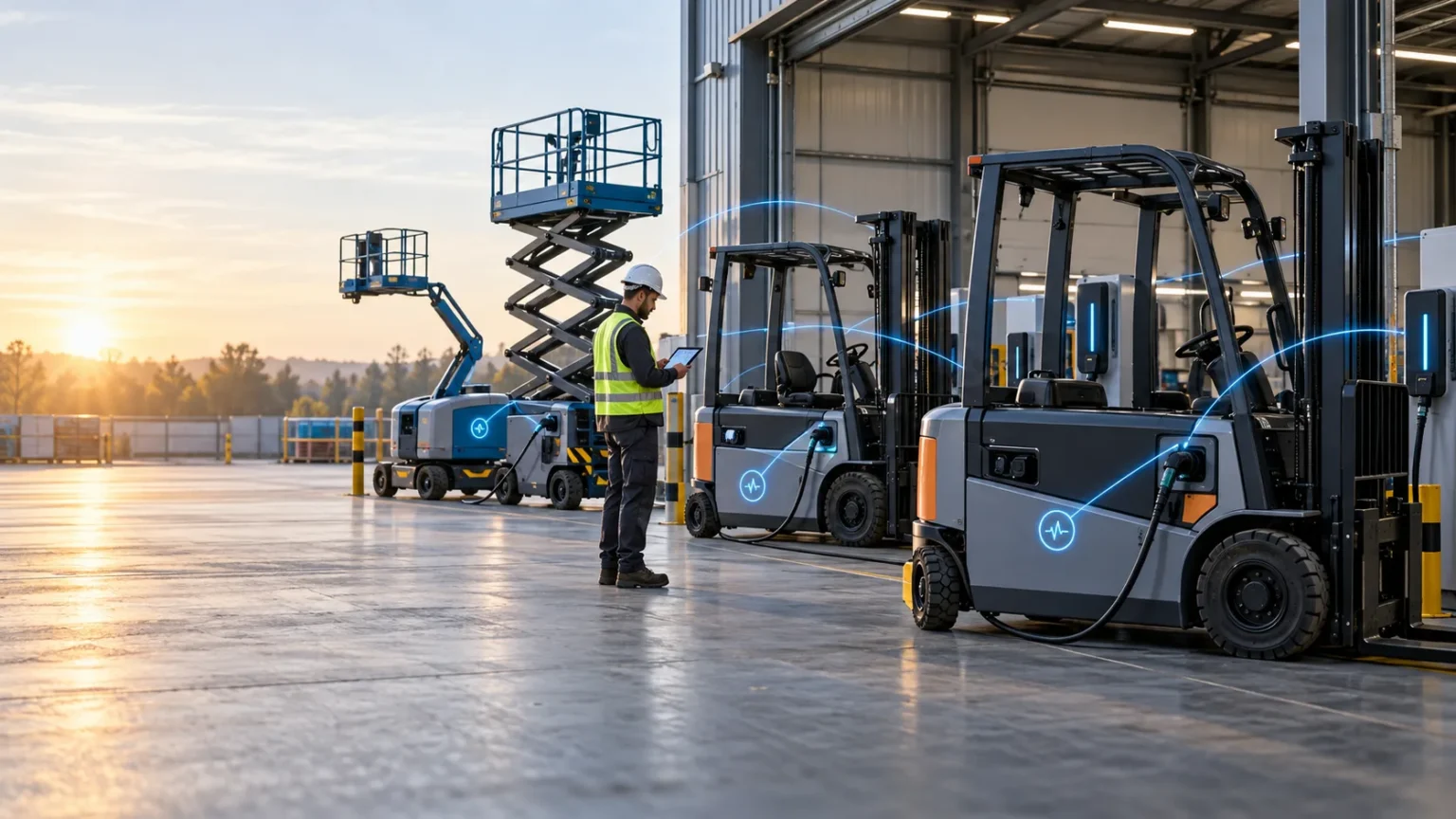
Battery health monitoring turns charging events, voltage trends and workshop history into practical information for managing electric machinery fleets.
Fleet Digitalization
Discover how telematics, predictive maintenance and streamlined operations can improve the availability and profitability of your rental fleet.
B’Smart IoT
Discover which data you need to anticipate breakdowns and improve your machinery availability.